
Optimizing User Experience for Small Businesses in 2025
In the fast-evolving digital landscape of 2025, small businesses are constantly seeking innovative ways to stand out and attract loyal customers. One crucial yet often overlooked aspect of digital marketing is user experience (UX). A well-crafted UX strategy can make or break a business, especially in today’s hyper-competitive market. In this post, we’ll explore how small businesses can optimize their user experience to drive growth, satisfaction, and long-term success.
Why User Experience Matters for Small Businesses
User experience encompasses every interaction a customer has with your brand, from visiting your website to engaging with your mobile app. According to a study by Forrester, a well-designed user experience can increase customer conversion rates by up to 400%. For small businesses, where every customer counts, this is a game-changer.
Moreover, in 2025, consumers are more discerning than ever. They expect seamless, intuitive, and visually appealing experiences. If your website or app is slow, cluttered, or difficult to navigate, potential customers won’t hesitate to move to your competitors.
Key Strategies to Optimize User Experience
1. Mobile Optimization is Non-Negotiable
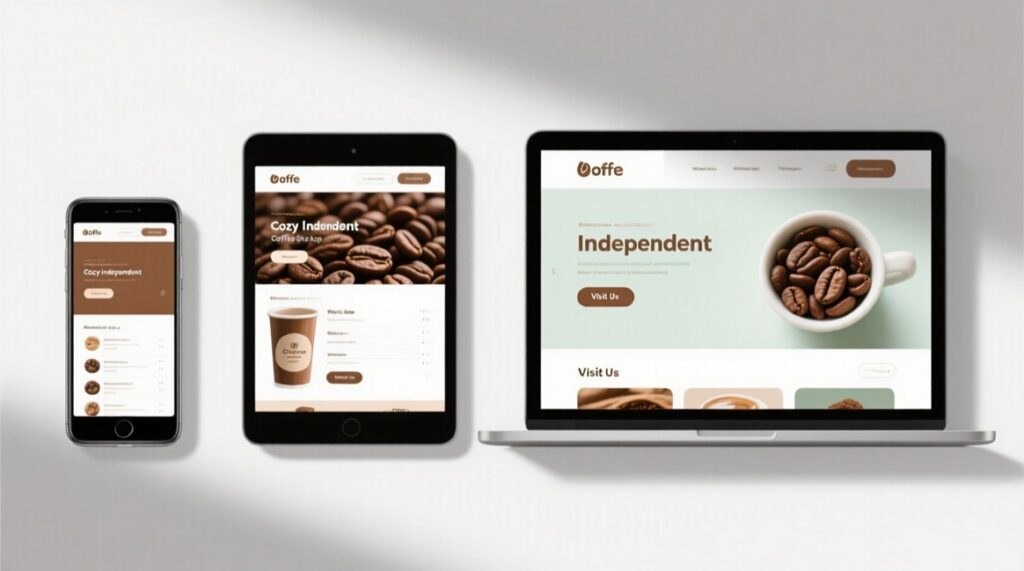
In 2025, mobile devices dominate internet usage. If your website isn’t mobile-friendly, you’re losing out on a significant portion of your audience. Ensure your website is responsive, meaning it adapts seamlessly to different screen sizes and devices. Additionally, prioritize fast loading times—studies show that 53% of users abandon sites that take longer than 3 seconds to load.
2. Personalization is Key
Personalization is no longer a luxury; it’s a necessity. Use data analytics to understand your customers’ preferences and tailor their experience accordingly. For example, personalized product recommendations can increase sales by up to 10-15%, according to a study by Salesforce.
3. Accessibility Can’t Be Overlooked
Accessibility is not just about compliance with regulations like ADA—it’s about inclusivity. Ensure your website is accessible to everyone, including those with disabilities. Use clear typography, provide alt text for images, and ensure your site is navigable via keyboard.
4. Leverage Analytics to Make Data-Driven Decisions
Analytics tools like Google Analytics and Hotjar provide valuable insights into user behavior. Use these tools to identify pain points in your customer journey and make iterative improvements. For instance, if you notice a high bounce rate on a particular page, it may indicate a need for better content or a more intuitive design.
5. Create a Seamless Omnichannel Experience
In 2025, customers interact with brands across multiple channels—social media, email, websites, and physical stores. Ensure consistency across all touchpoints. For example, if a customer starts browsing on your website and later visits your store, they should feel a cohesive brand experience.
Tools to Help Small Businesses Optimize UX
Fortunately, you don’t need a massive budget to improve your UX. Here are some tools that can help:
- Google Analytics: Track user behavior and identify areas for improvement.
- Figma: A design tool that allows you to create and test prototypes.
- Hotjar: Gain insights into user behavior with heatmaps and session recordings.
- Canva: Create visually appealing graphics without needing a designer.
The Future of UX for Small Businesses
As technology advances, so will the expectations of your customers. Voice search, AI-driven recommendations, and augmented reality (AR) are just a few trends that will shape the future of UX. Small businesses that embrace these trends early will have a competitive edge.
Conclusion
Optimizing user experience is not just about making your website look pretty—it’s about creating meaningful interactions that drive loyalty and growth. By focusing on mobile optimization, personalization, accessibility, and data-driven decisions, small businesses can create a UX strategy that sets them apart in 2025.
What strategies is your small business implementing to enhance user experience? Share your thoughts in the comments below, and don’t forget to share this post with other small business owners who could benefit from these insights! For more insights on digital strategy, visit AvenueForge for expert guidance and tools tailored to small businesses.
#SmallBusinessTips #UserExperience #DigitalMarketing #GrowthHacking #BusinessSuccess